The method
Gender equality that earns
its line in the budget.
Justice deserves more than agreement. It needs evidence, an owner, a resource decision, and a deadline the room can hold.
Believed everywhere.
Funded almost nowhere.
Every organization says it believes in gender equality. Three beliefs set the standard behind everything here — the program, the method, and every engagement I take.
Charity for the deserving.
Compliance for the auditors.
A trend for the brand.
Justice.
The right to exist equally — in safety, with dignity, with respect. No one should have to pay just because they are who they are.

Justice. Not charity, not compliance.
Gender roles aren't the problem. The price people pay for stepping outside them is — in safety, in pay, in whose word gets trusted. Equality means nobody pays that price.
SAFE, FAIR WORKPLACE ····· TALENT THAT CHOOSES YOURETENTION ················ LOYALTY, NOT TURNOVERDECISIONS ················ WHOLE-MARKET SIGHT

And justice pays.
Not investing in gender equality means paying for talent you never reach and replacing people you already trained. A safe, fair workplace keeps them, and reads markets others miss. It costs something to build. It returns more than it costs.

Safety first. Then build upward.
Change holds when it's built in order: safety as the enforced foundation — boundaries, not posters — then investment in advancement and equity, then representation where decisions are made. Work-life and culture carry all three.
The method
G — Gender-informed A — Analysis IN — Inclusive S — Sustainable
The cost is already showing up somewhere.
In turnover. In unpaid time. In a policy nobody trusts. In a market the team cannot read. All of it is already on the books somewhere. The work is to find where, name who owns it, and decide what gets measured first.
Two rooms value the same work.
Neither speaks the other's language.
Development organizations measure value in rights, outcomes, and frameworks. Businesses measure it in cost, risk, retention, and growth. Both are right — and almost nobody translates between them. So excellent gender work arrives in boardrooms priced in a currency the room doesn't spend, and gets filed. GAINS was built to be the translator.
Value = outcomes, rights, compliance.
Toolkits, frameworks, commitments, indicators. Rigorous — and written in a language a CFO has no line item for.

Value = cost, risk, retention, growth.
Turnover, absenteeism, quality incidents, legal exposure, market access. If it doesn't land here, it doesn't get funded.
Room one — development
- Raise awareness
- Empower employees
- Promote inclusion
- Build commitment
Room two — business
- 30%Lower absenteeism
- 15%Higher productivity
- 30%Lower turnover
- 10%Higher profit
Empower women in the workforce.
Cut the attrition that clusters in the first 90 days of late shifts.
Raise awareness of the harassment policy.
A named grievance path with a 48-hour first response — and retention that stops bleeding.
Commit to equality in our values.
Definitions, complaint classification, escalation timelines, sanction frameworks.
The same ask — re-heard as a business problem. Every line above comes from real engagements.
It doesn't start with gender.
It starts with what's costing you.
GAINS never opens with "how do we add a gender initiative?" It opens with the operational problem — then tests whether an under-read gender dimension is shaping it: workforce design, safety, mobility, caregiving expectations, policy trust, voice. Diagnostic, not ideological. If the analysis doesn't hold, the intervention doesn't happen — that discipline is what protects the work from becoming symbolic.
Business problems define intervention logic — never the other way around. The method's first rule

- What is the business challenge?
Stated precisely, countable, in the company's own terms — not a values concern.
- Where is the cost or risk?
What the status quo already costs: turnover, absenteeism, quality incidents, legal exposure.
- What is the gender-informed diagnosis?
Does a gendered pattern explain part of it? "None found" is a valid answer.
- What intervention follows from the diagnosis?
Designed from the diagnosis — never from the opening ask.
- What safeguards are required?
The protections the intervention must carry before it launches.
- How will success be measured?
Business and inclusion indicators, agreed before launch.
- What is the cost efficiency and ROI logic?
The case for the spend, argued conservatively.
Work a client will pay for
The method in full — it holds up in the open. The program trains the practice: running the chain on live work, answer by answer, with feedback.
Nine years of field, not a whiteboard.
I came into gender work the way an engineer comes into anything: expecting the tools to be adequate — and finding that the toolkits spoke donor while the boardrooms spoke money. Nobody translated. So I codified the translation.
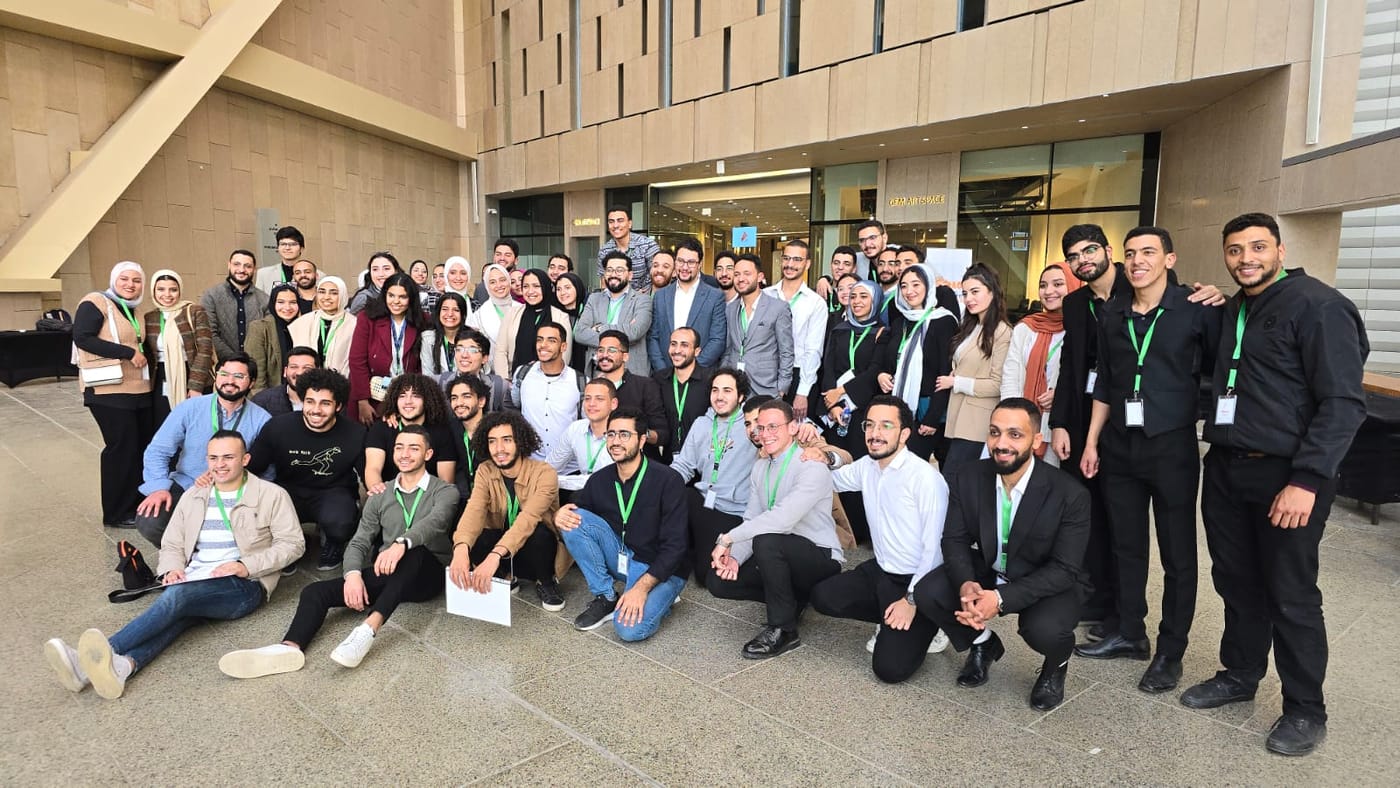
Piloted in the field.
The work that later became GAINS began during a UN agency assignment involving six Egyptian agribusiness firms.
Matured across sectors.
Through later company engagements, including Women on Track with GIZ, Smart Civic Solutions refined that logic and gave it a structure.
Taught end to end.
What was built on client work is now curriculum — the same seven questions, in the same order, taught inside The G.A.I.N.S Capacity-Building Program.
Generic training ends at awareness.
GAINS ends at systems.
Awareness is a by-product here, not the deliverable.
Learn to run the chain yourself.
The G.A.I.N.S Capacity-Building Program is built on the GAINS spine — Level 2 works the full chain end to end on a live case: desk review, field instruments, analysis, diagnosis, intervention design, a real proposal. Until the method is yours.