Somatic Experiencing sessions.
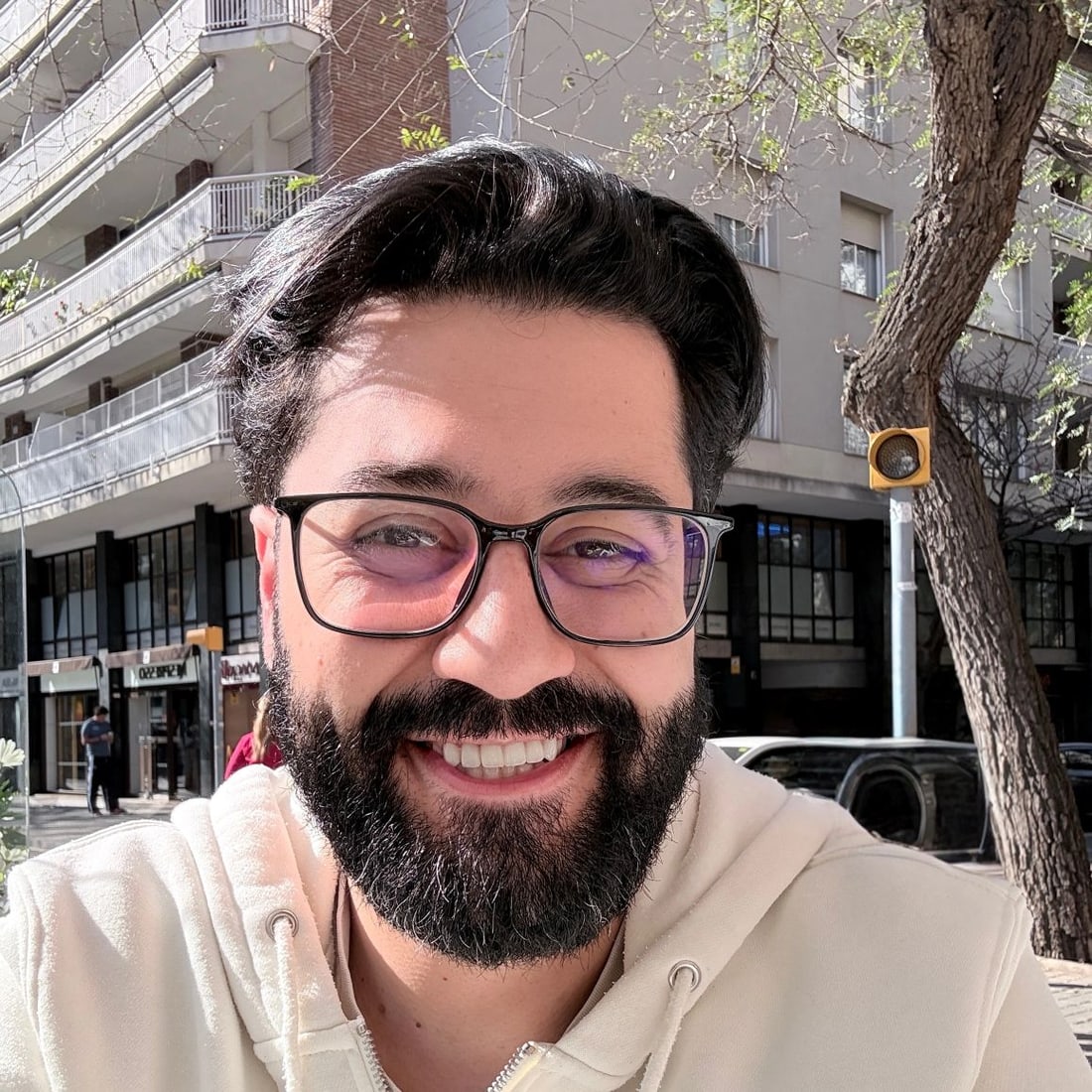
Abdelfattah Elsharkawy is a Somatic Experiencing® Practitioner (SEP) working with adults navigating stress, trauma, identity-related challenges, and nervous system dysregulation — at the intersection of physiology and lived experience.
His work is grounded in the Somatic Experiencing® method and informed by a strong background in gender-responsive practice, workplace systems, and cross-cultural contexts. He brings particular sensitivity to the ways in which gender dynamics, racial and ethnic stressors, and social environments shape the nervous system — understanding trauma not only as an individual experience, but as something often reinforced through relational and systemic conditions, while remaining anchored in the body and its capacity for regulation and change.
In sessions, he takes a steady, structured, and titrated approach that prioritizes nervous system stabilization and capacity-building. Rather than focusing on catharsis or intensity, he supports clients in gradually renegotiating survival responses, restoring a sense of safety, and expanding their ability to respond with greater choice and flexibility. He often works with individuals who appear high-functioning externally, yet experience internal cycles of activation, shutdown, or persistent tension.
Somatic Experiencing® Practitioner (SEP) — Somatic Experiencing International
Gender-responsive practice, workplace systems, and cross-cultural contexts
Sessions conducted online, in English and Arabic
Start with a consult call.
A 25-minute consultation call ($35) is the first step. Pick a time below — payment is made securely at booking.
All prices in USD
Got questions?
What is Somatic Experiencing?
Somatic Experiencing® is a body-oriented approach to working with stress, trauma, and nervous system dysregulation.
Instead of focusing only on thoughts, memories, or analysis, SE pays attention to how the nervous system holds and completes survival responses. Trauma is not only about what happened; it is also about what the body had to do, could not do, or still feels prepared to do.
In sessions, we work slowly and carefully with body sensations, emotions, impulses, images, and patterns of activation or shutdown. The goal is not to force a breakthrough, but to support the nervous system in gradually restoring regulation, capacity, and choice.
How is Somatic Experiencing® different from traditional talk therapy?
Traditional talk therapy often works through reflection, insight, narrative, and emotional processing. These can be very valuable. Somatic Experiencing® adds another layer by working directly with the nervous system and the body's stress responses.
Many people understand their patterns intellectually but still feel stuck in their bodies. They may know they are safe, but their body still reacts as if danger is present. They may know they need rest, but their system stays activated. They may know a relationship, workplace, or memory is no longer happening, but their body still carries the imprint.
SE helps us work with this gap between what we know cognitively and what the nervous system is still organizing around.
Are sessions online or in person?
Sessions are held online. Online SE work can be effective when the session is paced well and you have a private, comfortable space where you will not be interrupted. It is helpful to have a stable internet connection, some water nearby, and a little time after the session before moving directly into your next commitment.
How much do sessions cost?
The initial consultation call is $35 for 25 minutes. The first session and all following regular sessions are $100 for 45 minutes. Extended sessions are $200 for 90 minutes.
All payments are made online by credit card through the booking page.
Do I have to talk about everything that happened to me?
No. You do not need to tell the full story of what happened, and we do not need to go into details before your system has enough capacity.
In SE, we are careful not to overwhelm the nervous system. Sometimes we work with the edges of an experience rather than the full memory. Sometimes we work with present-day symptoms, sensations, or patterns without going deeply into the event itself.
The goal is not to relive trauma. The goal is to help the nervous system gradually renegotiate what remains unfinished, at a pace that respects your physiology.
How does your background in gender and workplace systems shape the work?
My work is grounded in the body, but I do not see the body as separate from context.
Stress and trauma are not only individual experiences. They are often shaped by relationships, family systems, gender expectations, workplace cultures, race, ethnicity, class, power, and social environments.
Because of my background in gender-responsive practice, workplace systems, and cross-cultural work, I pay attention to how these wider conditions affect the nervous system. This is especially important when working with people who have had to adapt, shrink, overperform, stay silent, stay alert, or disconnect in order to survive certain environments.
The work is not about blaming the individual for their symptoms. It is about understanding what the nervous system learned to do — and supporting it to discover new options.
Do you work with sexual trauma?
Yes, I work with adults experiencing the impact of sexual trauma, with careful attention to safety, pacing, consent, and nervous system capacity.
Sexual trauma can affect the body, relationships, boundaries, sexuality, self-trust, anger, shame, and the ability to feel present. In this work, we do not rush toward disclosure or details. We focus first on stabilization, choice, and the client's sense of control.
The work can include exploring boundaries, protective responses, freeze or shutdown, activation, disgust, grief, anger, or numbness — but always at a pace that respects the person's physiology.
Is this work suitable for men?
Yes. I work with adults of different genders, including men.
Many men are taught to override their bodies, suppress fear, disconnect from vulnerability, or turn stress into control, anger, silence, or overwork. These are not simply personal flaws; they are often survival patterns shaped within particular social expectations.
Somatic work can create a different pathway: one that does not shame survival responses, but also does not leave the person trapped inside them. It can support greater regulation, emotional range, relational capacity, and embodied choice.
Have more questions? Reach out by email.
afattah@yasminemadkour.com